The logo for Gracie Films, the production company of James L. Brooks, is instantly recognisable. The animated figure “ssshhh”-ing a cinema audience has appeared at the end of every episode of The Simpsons (a show he co-developed), and at the beginning of nearly every one of his seven feature films, including outstanding efforts like Terms Of Endearment, Broadcast News and As Good As It Gets.
But is it the stamp of quality it once was? The Simpsons is a shadow of its former self. As a filmmaker, Brooks hasn’t made a movie in 15 years, and his work over the past three decades is generally considered below par. That logo is no longer a guarantee. Ella McCay, his seventh film, seems like it could almost be a swansong for the 85-year-old filmmaker, an opportunity to play the hits. If nothing else, it is most certainly a throwback: every element, from the overly bright lighting, to the cheesy music (an oddly chirpy score from Hans Zimmer), to a narration from Julie Kavner (aka Marge from The Simpsons) seems plucked from a bygone era.
There is both too much and not enough for this giant ensemble cast.
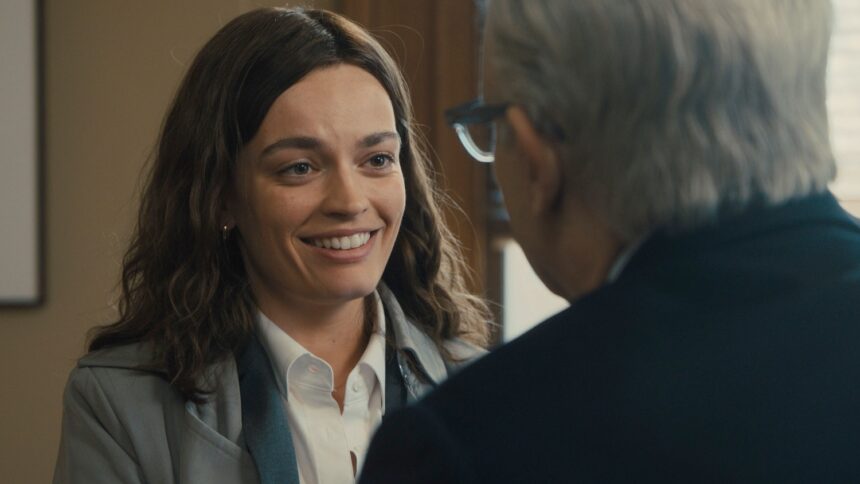
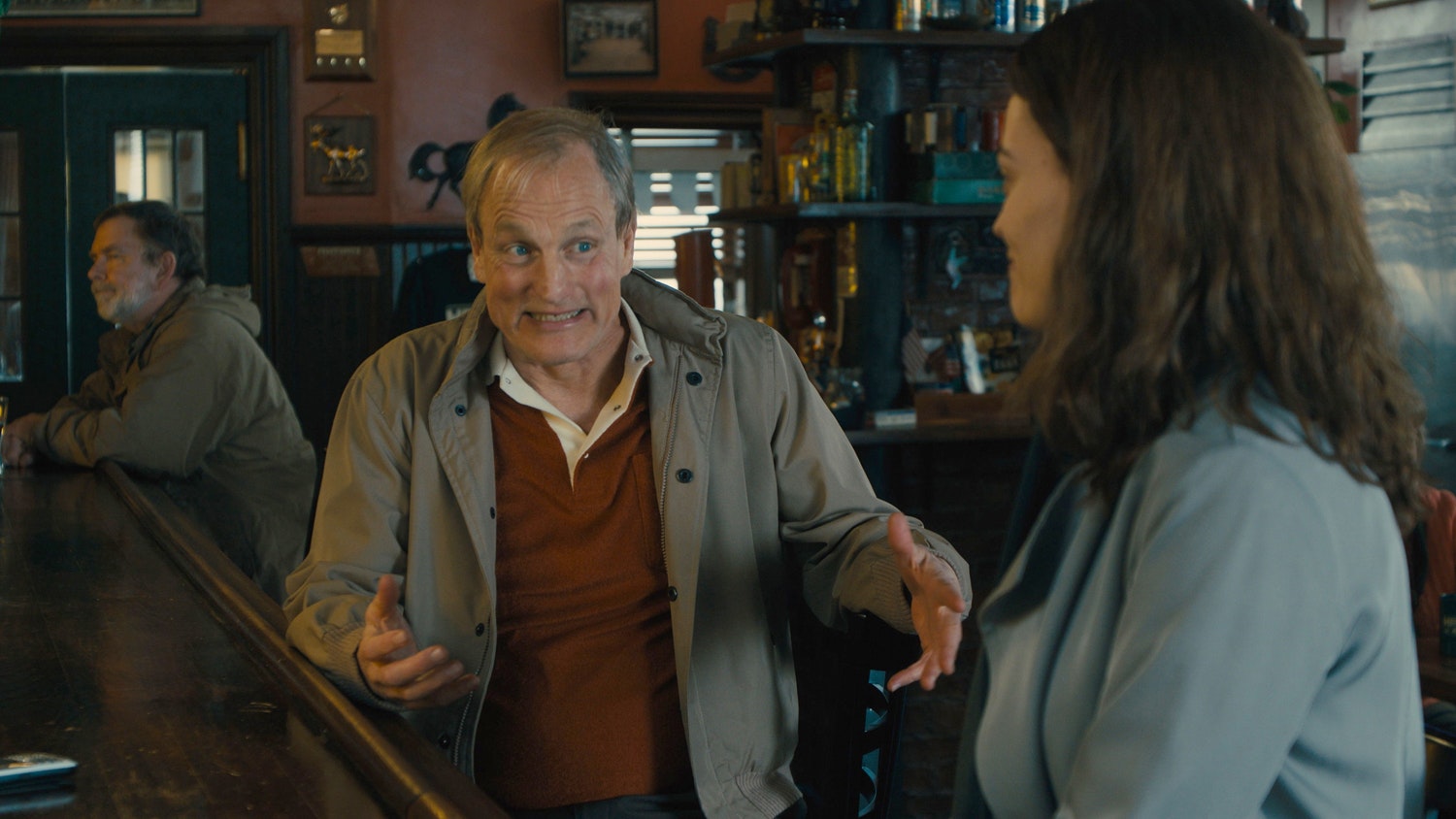
It is set, more specifically, in the bygone era of 2008, though it feels older. Our story takes place in the doldrums of the Great Recession, back when, according to the narrator, “we all still liked each other” (citation needed). Set in an unnamed state, the titular Ella McCay (Emma Mackey) is an idealistic, principled young lieutenant governor, still stung by the extra-marital affairs of her scandalised politician father (Woody Harrelson) and the untimely death of her mother (Rebecca Hall). Largely raised by her aunt, she is giddy about the transformational power of politics, a policy wonk who works and leads by principle, even if her dysfunctional family — including her now pathetic father, her oddly energetic husband (Jack Lowden) and her anxious brother (Spike Fearn) — threaten her dignity.
Brooks’ films have always been talky, and this is certainly sparky enough, the odd gem peppered around the place. In one flashback, all wigs and make-up, Jamie Lee Curtis’ Aunt Helen begs Ella not to lie, fearing that “we would lose a closeness of a kind”. But the writing also lets the film down: far too often, the dialogue is sloppy or under-cooked, the heightened reality too divorced from anything tangible. Characters here say things that actual people never would.
It feels structurally shaggy, too, stuffed with subplots that feel unnecessary: a diversion with Ella’s agoraphobic brother seems to come out of nowhere, and go there too; a bizarre scene where a state trooper demands to have overtime in order to fund his divorce should have been abandoned to cutting-room-floor scraps. There is both too much and not enough for this giant ensemble cast to get their teeth into; overqualified comic actors like Kumail Nanjiani and Ayo Edebiri, both of whom can and have led films like this, accept some rather thankless supporting roles.
At least Emma Mackey comes out of this relatively unscathed, committing gamely to a role that demands a lot, making a convincing case that she can hold a film in almost every scene. She deserves more. Ella McCay underserves practically everyone. Its political satire is toothless: by ignoring the last 17 years of American politics, it renders virtually any points made irrelevant. Perhaps worst of all, its comedy is laugh-free: full of the kinds of clichés and slapstick that make it virtually self-parody. The “ssshh” of the Gracie Films logo, sadly, seems like an accurate indication of how quiet cinemas will be.