
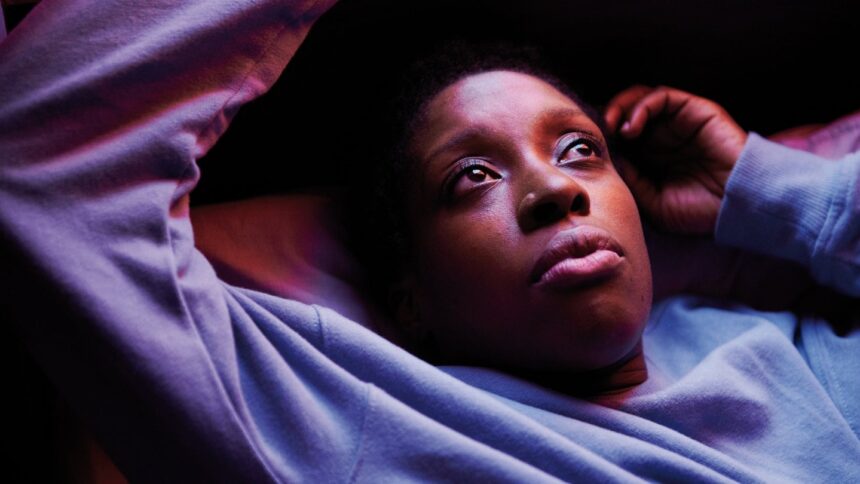
The xenophobia surrounding issues of immigration has seen a massive uptick in recent years, which makes the arrival of Dreamers feel especially timely. Joy Gharoro-Akpojotor makes the jump from producer (her credits include Rapman’s Blue Story and Aml Ameen’s Boxing Day) to director with aplomb in this promising debut. Born in part from her own experience seeking asylum in the UK aged 25, it’s an examination of the deeply flawed and inhumane system as well as an intimate queer love story. It succeeds at both.
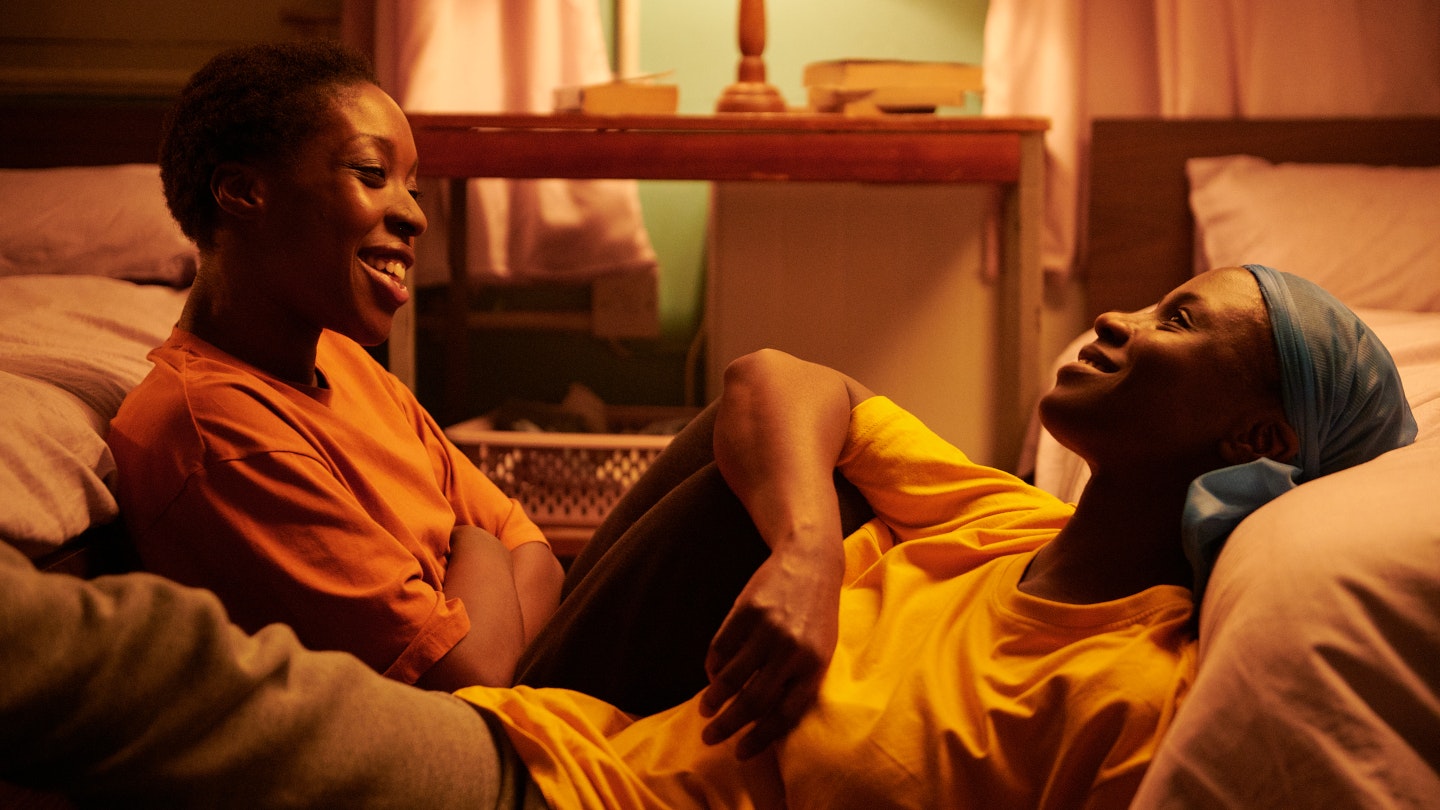
We’re introduced to Isio (Ronkẹ Adékoluẹjo) just as she arrives at the harsh environs of Hatchworth Removal Centre, where the guards are not here to help, contrary to what they declare upon arrival. Throughout, Gharoro-Akpojotor lends grace and humanity to the immigrant experience, full of empathy. No one immigrant story is the same, and community can crop up in even the most unlikely of spaces. Here, Isio reluctantly becomes friends with other migrants in a similar situation — Farah (Ann Akinjirin), Nana (Diana Yekinni), and Atefeh (Aiysha Hart). All involved do a good job adding nuance and dimensions to their characters with limited screen time.
Adékoluẹjo and Akinjirin chart the journey from friends to lovers beautifully.
But Dreamers is far more than just a social-issues movie. While many films of this ilk focus on the difficulties of the situation to the detriment of all else, a big part of Gharoro-Akpojotor’s film is about living life freely on your own terms, even in hellish circumstances. It’s that energy which fuels the developing relationship between Isio and Farah. Early on, we learn that Isio has fled Nigeria — where homosexuality is banned — because she is a lesbian. Adékoluẹjo and Akinjirin chart the journey from friends to lovers beautifully. When their mutual passion takes hold and their relationship goes to the next level, the scenes are sensual, tender, and earned.
It’s all aided by some inventive craftwork. The use of colour is especially well considered; Isio’s clothing is initially dark and drab but changes as she reluctantly opens herself up to new friendships. The warm, saturated colours contribute to the intimate feel in pivotal scenes, and the use of red in Isio’s flashback moments is evocative. It’s clear that the film was made on a budget, but necessity proves the mother of invention here. And it means that even at just 78 minutes, Dreamers packs a hell of a punch.